
Select Page
The financial landscape in Canada has undergone a significant transformation over the past decade. As retail investors become increasingly tech-savvy, the demand for sophisticated financial tools has surged. Among these, Contracts for Difference (CFDs) have garnered notable attention. Consequently, more Canadians are actively researching and comparing various CFD trading platform options before committing their time or capital to any specific service provider.
This trend is not merely a byproduct of curiosity but a response to a rapidly evolving digital marketplace. With a plethora of global and local providers vying for market share, investors are finding it essential to conduct thorough due diligence. Comparing these platforms allows individuals to understand the nuances of fee structures, technological capabilities, and the variety of asset classes available in the modern trading environment.
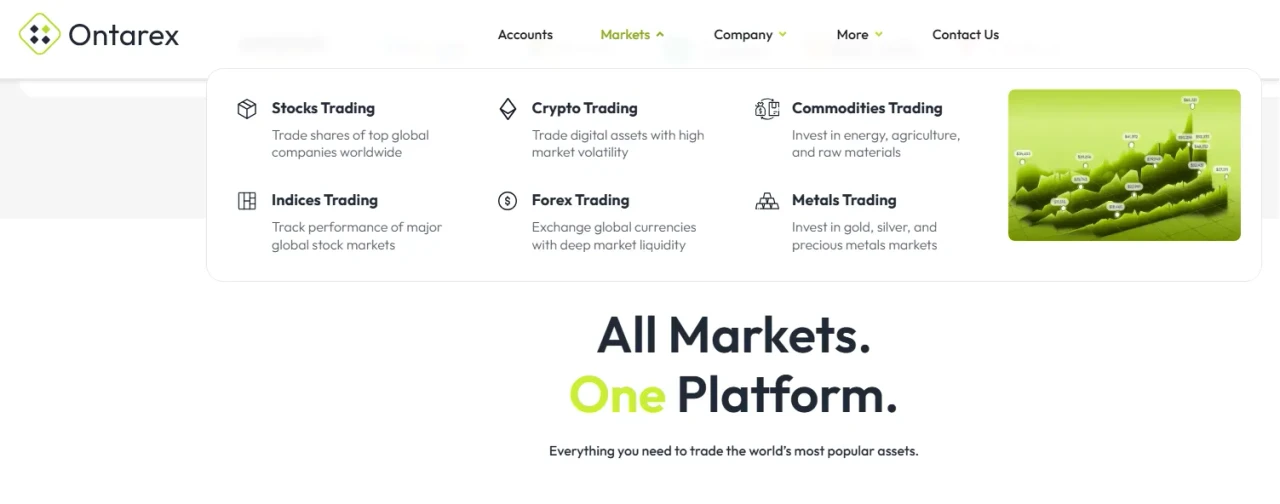
Historically, Canadian investors relied heavily on traditional brokerage houses. However, the rise of digital finance has democratized access to global markets. Today, a CFD trading platform often serves as a gateway for individuals seeking to engage with diverse financial instruments, ranging from commodities and indices to foreign exchange pairs, without necessarily owning the underlying assets.
Several factors contribute to this heightened level of comparison among Canadian users:
When comparing platforms, investors often look for a balance between functionality and accessibility. It is important to note that every provider operates under different internal policies and technological frameworks. Understanding these differences is a critical part of the research process for any market participant.
The following table outlines common features that traders often compare when evaluating different service providers:
| Feature Category | What Traders Typically Look For |
|---|---|
| Asset Variety | Access to global indices, commodities, and currency pairs. |
| Fee Structure | Transparency in spreads, commissions, and inactivity fees. |
| Platform Tools | Availability of technical indicators and automated trading features. |
| Support Services | Responsiveness of customer service and availability of educational content. |
In the digital age, information is abundant, yet discerning quality remains a challenge. Canadians are increasingly utilizing comparison portals and independent reviews to filter through the noise. By analyzing how a specific CFD trading platform handles account security, data encryption, and order execution, users can better align their choices with their personal comfort levels regarding technology and service delivery.
Furthermore, the rise of social trading and community-driven feedback has changed how platforms are perceived. When a community of traders shares experiences regarding platform latency or interface usability, it influences the broader market sentiment. This collective intelligence acts as a catalyst for more rigorous platform comparisons across the country.
Not all accounts are created equal. Many providers offer tiered account structures designed to cater to different levels of experience. Comparing these tiers is essential for understanding the potential requirements and benefits associated with each level of service.
| Account Tier | Typical Focus |
|---|---|
| Standard/Retail | Lower entry requirements, suitable for beginners. |
| Professional/Advanced | Enhanced tools, tighter spreads, and priority support. |
| Demo/Practice | Risk-free environment to test platform functionality. |
Ultimately, the decision to use a particular platform rests on the individual’s research and their specific requirements. As the market continues to expand, the habit of comparing features, costs, and technological capabilities is likely to remain a cornerstone of the Canadian retail trading experience.
The trend of Canadians comparing trading platforms is a reflection of a more informed and empowered investor base. By prioritizing research and understanding the technical and financial aspects of various providers, individuals are better equipped to navigate the complexities of the modern trading environment. Whether it is evaluating a CFD trading platform for its speed, its educational suite, or its fee transparency, the act of comparison serves as a vital step in the broader journey of financial literacy.
Comparing platforms helps investors understand the differences in fee structures, available tools, asset classes, and user interfaces, allowing them to choose a service that aligns with their specific needs.
Common factors include the transparency of costs, the variety of tradable assets, the quality of customer support, and the presence of educational resources or demo accounts.
No, platforms vary significantly in terms of their technology, regulatory compliance, fee models, and the types of financial instruments they offer to their users.
A demo account allows users to explore the platform's features and test their strategies in a simulated environment without risking real capital.
Financial Risk Disclaimer: Trading financial instruments, including CFDs, involves a high level of risk and may not be suitable for all investors. You may lose more than your initial deposit. The information provided here is for educational and informational purposes only and does not constitute financial, investment, or legal advice. Always conduct your own research and consult with a qualified professional before making any financial decisions.